
Yorkshire Blooms a little brighter as 350 water butts successfully donated across the region
5/29/2026
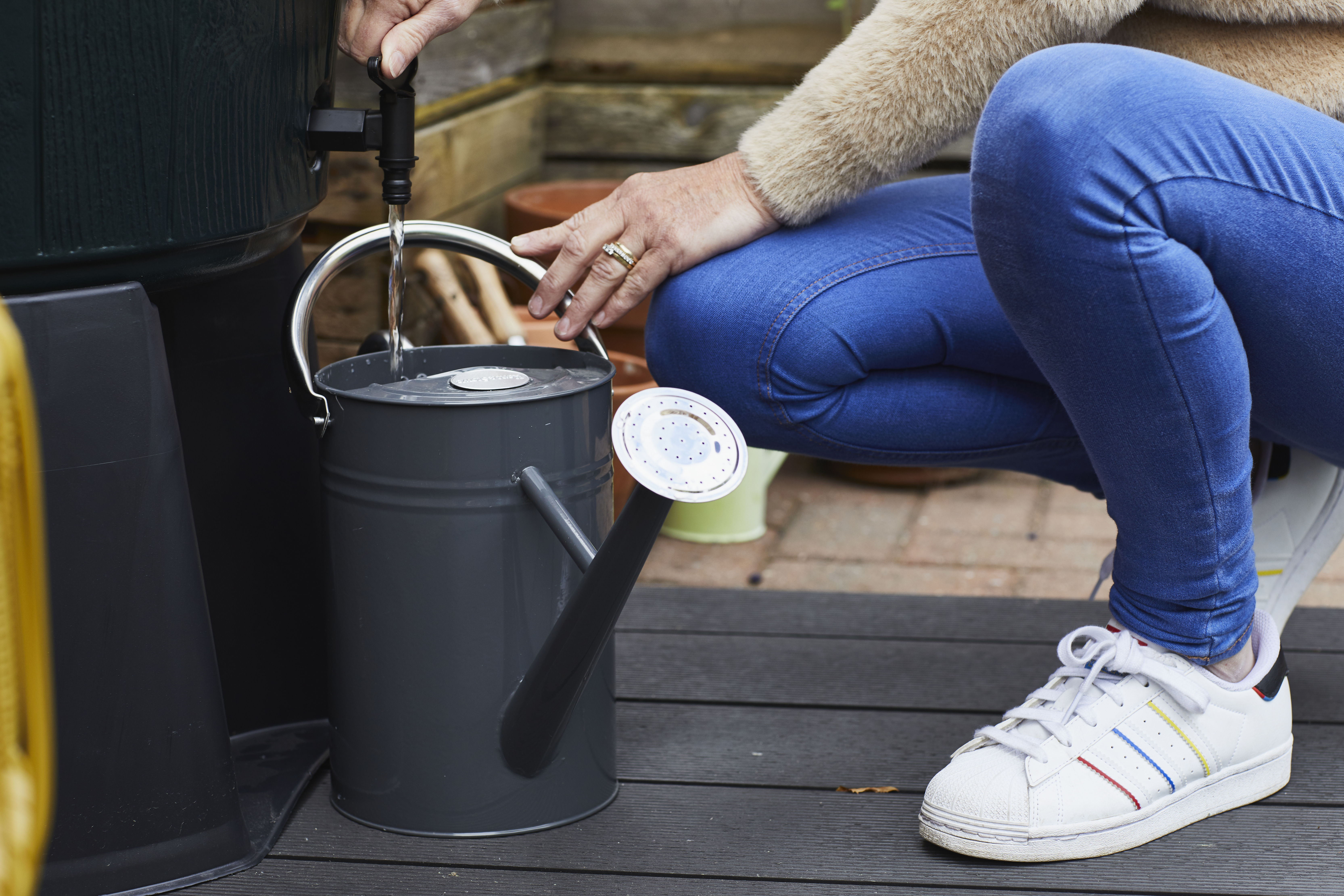
Yorkshire Water has helped make a real difference to communities across the region and helped to protect the environment by donating 350 water butts to community projects.
From allotments and school groups to scout clubs and RHS In Bloom groups, these water butts are now helping green-fingered community members collect and reuse rainwater, supporting their gardens and outdoor spaces in a more sustainable way.
Emma Rattigan, Water Efficiency Manager at Yorkshire Water, said: “We’ve been really pleased with the uptake of our water butts’ scheme among local community groups. Using water butts not only helps to reduce the usage of treated drinking water for plants and gardens, as it is a more natural option for plants and wildlife which helps them to thrive as rainwater doesn’t contain chlorine. We’re focused on delivering benefits for the environment in Yorkshire, and this is an example of a very simple measure that can have significant benefits for the environment.
“We’re really thankful to any customers making use of a water butt in their garden or community projects as this simple water saving measure can really help reduce demand on our network during spells of warmer and drier weather and helps futureproof water resource management whilst these remain in use.
The campaign started with a donation of 42 water butts to RHS In Bloom groups and quickly grew thanks to the enthusiasm and response from the community. It’s a fantastic example of the importance of communities and partnerships to deliver environmental goals.
Cliffe Castle Support Group, Volunteers and Monday Group, said: “The Summer of 2025 made us all really appreciate the need to save water where we can. One area of the park we became particularly concerned about is the recently planted peat bog. This area replicates the vegetation on our local hills and moors, helping visitors, children and families understand and appreciate the uniqueness of this vegetation. Rather than tap water, peat bogs need rainwater free from chlorine and other chemicals.
“The offer of a water butt from Yorkshire Water to community groups in Keighley District was ideal. It is now installed close to our fall pipe and we are now ready for watering the peat bog and other needy plants with collected rainwater.”
While this campaign has now wrapped up, the conversation around water conservation is far from over. Below are some other ways you can reduce water usage in the garden:
- Using 'grey water’ from your washing up bowl, after rinsing your veggies or plates, can be full of nutrients and a great source of water for plants
- Opting for drought-resistant plants which require less water to thrive, such as lavender, salvia and verbena. Pollinators also love these plants!
- Watering your plants early in the morning, or later in the evening, so that water doesn’t evaporate in the heat of the day before your plants get chance to soak it up
- Adding a layer of leaves, bark or compost over your flower bed helps to retain moisture, reducing the need for watering and limits weed growth
- Allowing your lawn to go brown - it’ll bounce back as soon as it rains