
Environmental DNA testing proves rare bat species found at South Yorkshire reservoir
8/18/2026
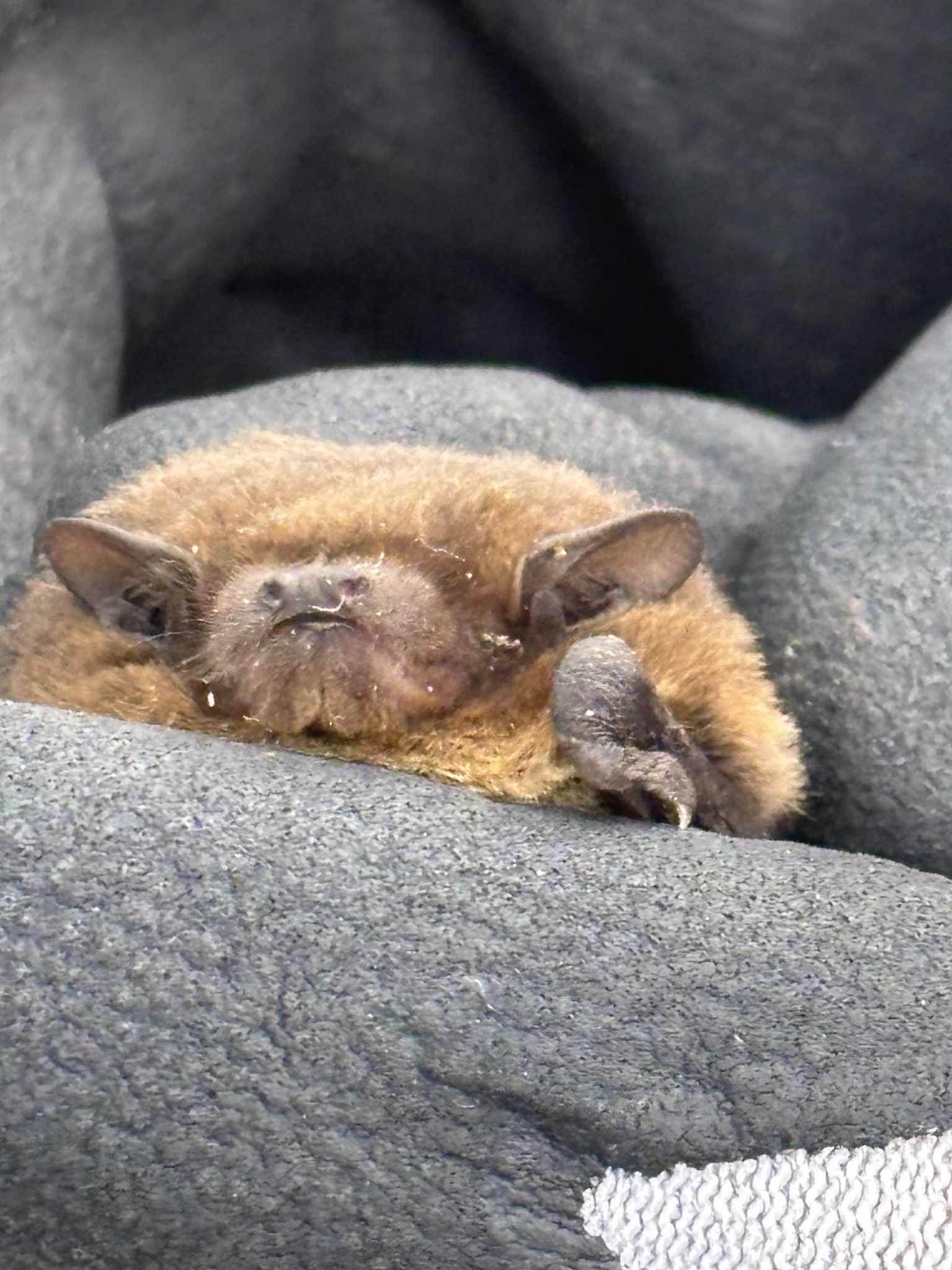
A rare migratory bat species has been found roosting at a Yorkshire Water reservoir near Sheffield, marking the first confirmed record of a Nathusius' pipistrelle roost in South Yorkshire.
The discovery was made as part of Yorkshire Water's ongoing work to enhance habitats and support biodiversity across its land. Environmental DNA (eDNA) collected from a bat box in woodland near a reservoir first indicated the species' presence in November, before follow-up surveys confirmed a Nathusius' pipistrelle using another nearby bat box in April.
The bat boxes were installed in 2025 through Yorkshire Water's species conservation programme and are designed to replicate the natural features bats use for roosting. Just nine months after installation, the boxes are already supporting a range of bat species.
Sean Davey, Lead Ecologist at Yorkshire Water, said: "This is a fantastic result and an exciting discovery for South Yorkshire. The bat boxes were only installed nine months ago, so it's really encouraging to see them being adopted so quickly by multiple bat species.
"Finding evidence of a Nathusius' pipistrelle, one of the UK's rarer bat species, shows the value of creating and enhancing habitats across our land. It also highlights the importance of monitoring these sites, as conservation work can sometimes deliver unexpected and valuable results."
The discovery came through a collaborative project involving Yorkshire Water, the South Yorkshire Bat Group and nature intelligence company NatureMetrics.
Ecologists used swabs to collect environmental DNA left behind by bats inside roost boxes. Analysis of the samples revealed traces of Nathusius' pipistrelle DNA, prompting further surveys that ultimately confirmed the species' presence.
Nathusius' pipistrelle is one of the UK's rarer bat species and is known for undertaking long-distance migrations between the UK and mainland Europe. It is similar in appearance to the common pipistrelle bat but is slightly larger and has longer fur on its back.
Sean added: "Using eDNA has given us an additional way to understand which species are using habitats across our sites. DNA traces can remain even when animals aren't present during a visual survey, helping us build a more complete picture of local biodiversity.
"The technique has the potential to improve how we monitor wildlife and identify areas where conservation efforts can have the greatest impact."
Dr George Muscatt, Product Ecologist at NatureMetrics, said: "Environmental DNA consists of tiny traces of genetic material that animals leave behind in the environment. By collecting simple surface swabs from bat boxes, we can detect species that may otherwise be difficult to record through traditional survey methods alone.
"This approach allows us to monitor a much greater number of bat boxes in a relatively short period of time, providing valuable insights into how species are using different habitats."
The finding demonstrates how new monitoring techniques can complement traditional ecological surveys and help improve understanding of species distributions. Yorkshire Water hopes the approach will support more targeted conservation work across the region and contribute to protecting some of the UK's most important wildlife.
In the face of the climate and wider ecological emergency, it’s more important than ever to improve our understanding of UK wildlife species and the major threats they face. Upland habitats may be especially threatened by impacts from global warming, with increased risk of moorland fires, drying out of blanket bog wetlands, and changing or extreme weather patterns, all posing risks to bats, birds and the other iconic species of this fragile environment.
As one of the largest landowners in Yorkshire, Yorkshire Water manages more than 72,000 acres of land and continues to invest in projects that protect and enhance habitats for wildlife while delivering benefits for customers, communities and the environment.