£7.7m project to protect River Wharfe gets underway in Boston Spa
11/17/2026
Yorkshire Water has begun a storm overflow discharge reduction project in Boston Spa – the 17th project of its kind to start in the greater Leeds area – with the aim of improving the health of the River Wharfe.
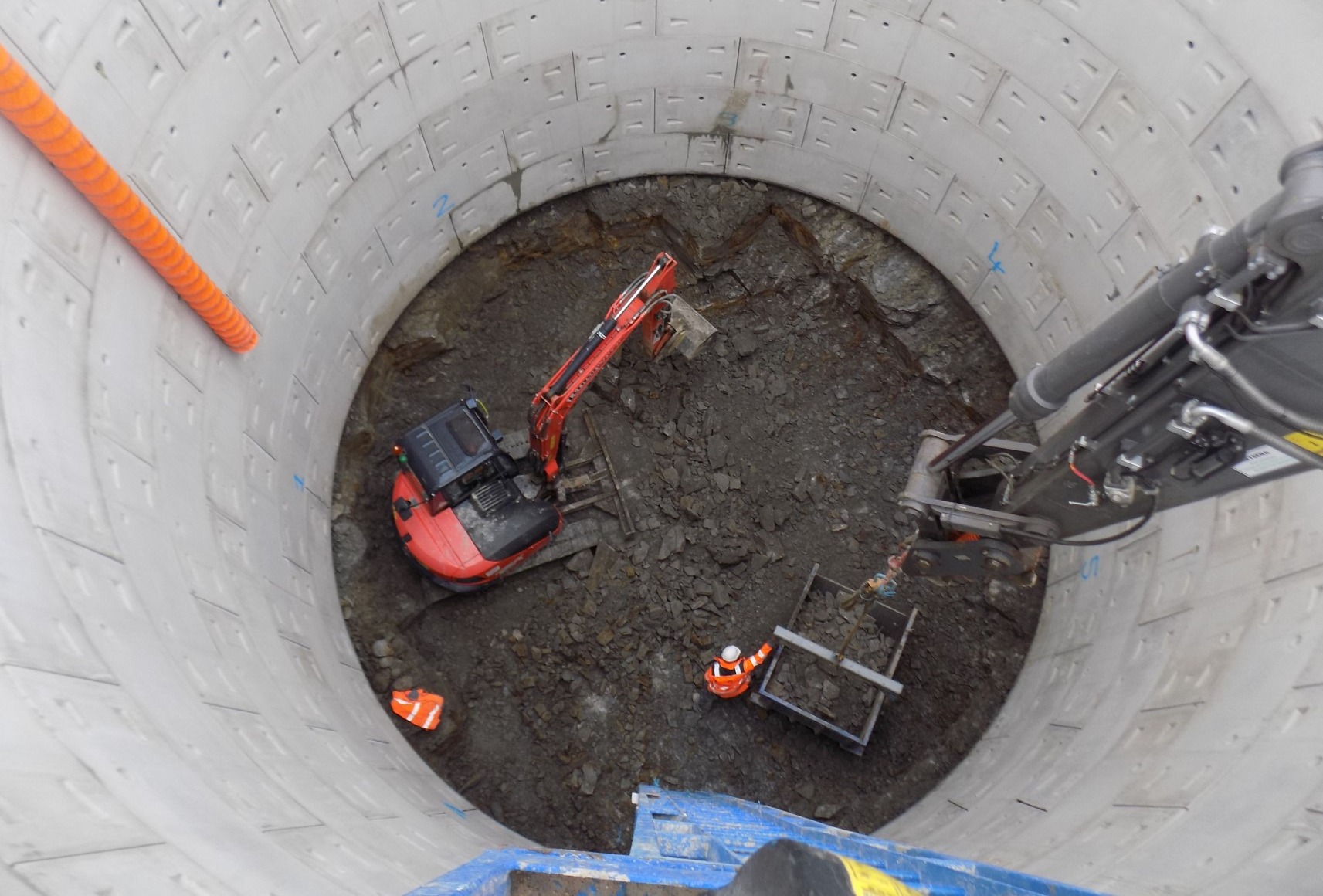
The £7.7m scheme will see contract partners installing an underground storage tank in a field off the A659, next to Gas Works Lane. The tank will be able to hold 3,000m3 of excess rainwater and wastewater within the combined sewer system during periods of bad weather, when the network is at capacity.
By holding back the flow, the likelihood of the Ebor Way Combined Storm Overflow (CSO) needing to operate will be reduced. The CSO functions as a relief valve in bad weather to prevent the system from backing up and flooding homes, gardens, and businesses.
When capacity in the network is returned to normal, the stored flows will be sent to the wastewater treatment works for regular treatment.
Contract partners Ward and Burke are expecting to take around 19 months to complete the project, which will reduce CSO discharges into the River Wharfe by an expected 60%.
Dale Crapper, project manager at Yorkshire Water, said: "Across Yorkshire, we're spending £1.5bn between 2025 and 2030 on reducing the frequency and duration of discharges from our storm overflows. We currently have schemes underway in Bradford, Calderdale, and Huddersfield, as well as in North and South Yorkshire, and this scheme in Boston Spa is the 17th project underway in Leeds. We're excited to be getting this one started."
Other projects underway in Leeds are taking place in Kirkstall, Headingley, Horsforth, Armley, Farsley, and Morley, to name a few.
Schemes in Beeston and Stourton, which were some of the first storm overflow projects to begin as part of the £1.5bn investment, are already complete, and delivering benefits for Farnley Wood Beck and the River Aire, respectively.
The storm overflow project is part of Yorkshire Water’s £8.3bn investment into its services and the environment over the next five years