

Why has my water got black mould or slime in it?
The appearance of slime in and around taps, or the staining of tiles and surfaces in kitchens and bathrooms is often due to the growth of microscopic organisms such as bacteria and fungi. Collectively, these growths are called biofilms.
Bacteria and fungi are naturally present in air, food and water and can attach themselves to damp surfaces, where they can multiply to produce a visible jelly-like growth, slime or stain in various colours (black, grey and pink).
Although not nice to look at, biofilms are considered to be a nuisance rather than a risk to health.
What to do if your water has mould or slime in it
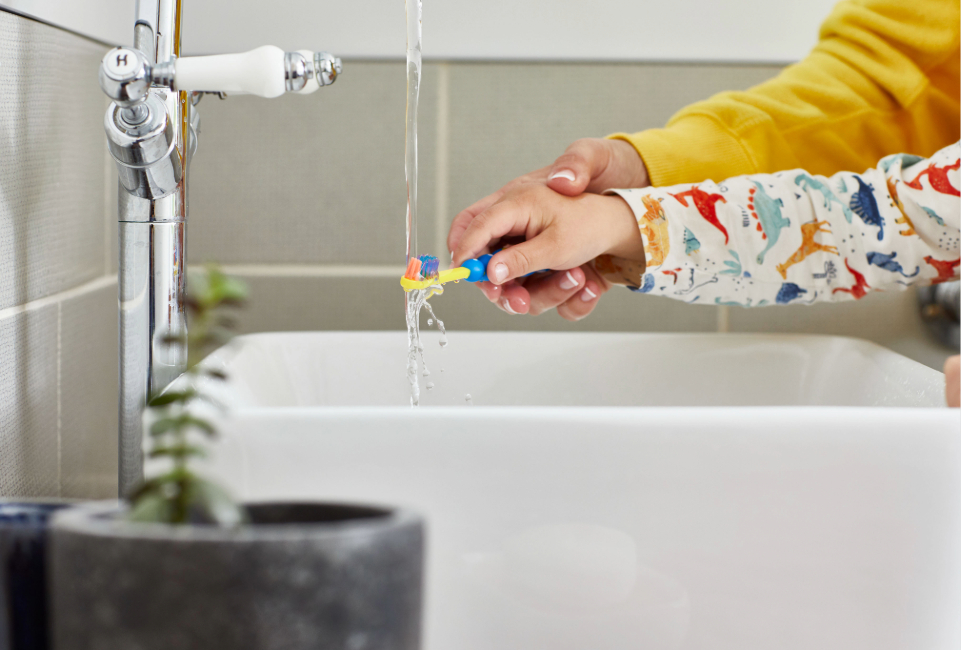
Tap cleaning
Black mould or slime associated with tap fittings can be removed by cleaning inside and outside with a small brush (such as an old toothbrush) dipped in a mild solution of bleach. Flush the tap after cleaning to remove any bleach.
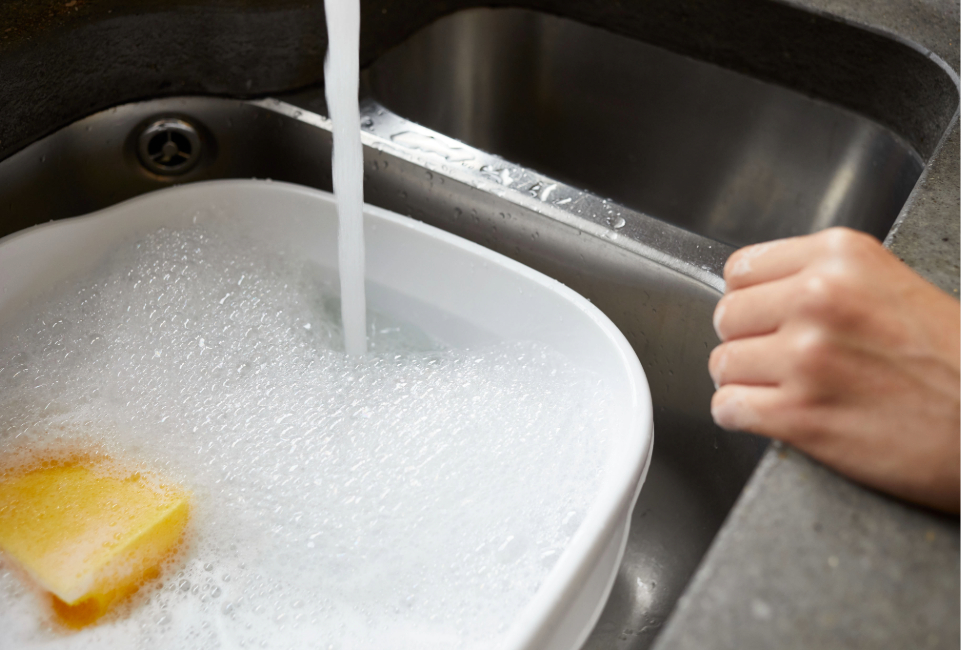
Wiping surfaces
Kitchen surfaces can be wiped with a household cleaner or mild bleach solution that will kill the bacteria and fungi. Use of a sponge rather than a scouring pad gives best results. Always remember to check that the cleaning solution you use is suitable for the surface you will be using it on.
How to prevent black mould and slime coming back
The bacteria and fungi that live in biofilms need water and nutrients to survive and grow. The best way to prevent growth is to improve ventilation so kitchen and bathrooms can dry quickly. It’s also important to reduce the food sources available to biofilms. These may include shampoos, soaps and general kitchen food. Keeping the areas clean and free from potential food sources will restrict growth.
Certain plumbing materials can also promote growth of biofilms, for example rubber washers in taps and some flexible hoses connected to washing machines and dishwashers. If you suspect these to be the cause of biofilms, get advice from a qualified plumbers' merchant and replace them with an approved product.
If any taps where biofilm has been noticed are fed from a header tank, it’s worth investigating to check that it’s clean and correctly sealed. Biofilms attach and grow quicker on rough surfaces such as limescale. Limescale can be removed using a brush and a variety of cleaning products.
The use of water filters and softeners can also encourage biofilm growth, especially if they aren’t maintained and serviced according to the manufacturers’ instructions.
Further information

Biofilms on film
We've created a short video about biofilms - including what causes them to show up in your bathroom or kitchen and how you can get rid of them.

Contact us
The advice on this page should be enough to help you fix a black mould or slime problem but our phone lines are open if you need further support.
Any questions?
What are Yorkshire Water doing to reduce the likelihood of discoloured water?
Yorkshire Water has over 31,000 km of mains in the ground and supplies water to almost five million people in the Yorkshire region. The Company has a process to prioritise where mains rehabilitation or cleaning/flushing may be required.
In areas where there is localised historic discolouration, Yorkshire Water operates a programme to flush clean the water mains. Flushing is a proactive and controlled way of removing the sediment which causes discoloured water and therefore reducing the likelihood of it occurring in the future.
We will always let you know when this activity is being carried out in your area.
The quality of water leaving the water treatment works continues to improve with more effective removal of naturally occurring iron and manganese from the water. Yorkshire Water will continue to replace cast iron mains and will continue to clean many of our large diameter trunk mains where mains deposits are known to be an issue.