
Seven-months to go before ban on plastic in wet wipes
10/19/2026
The customer field services team (CFS) at Yorkshire Water, who are the front line of clearing blockages across our wastewater network, are counting down the days before the Government’s proposed ban on the sale of wet wipes containing plastic across England as new legislation comes into force on 19 May 2027.
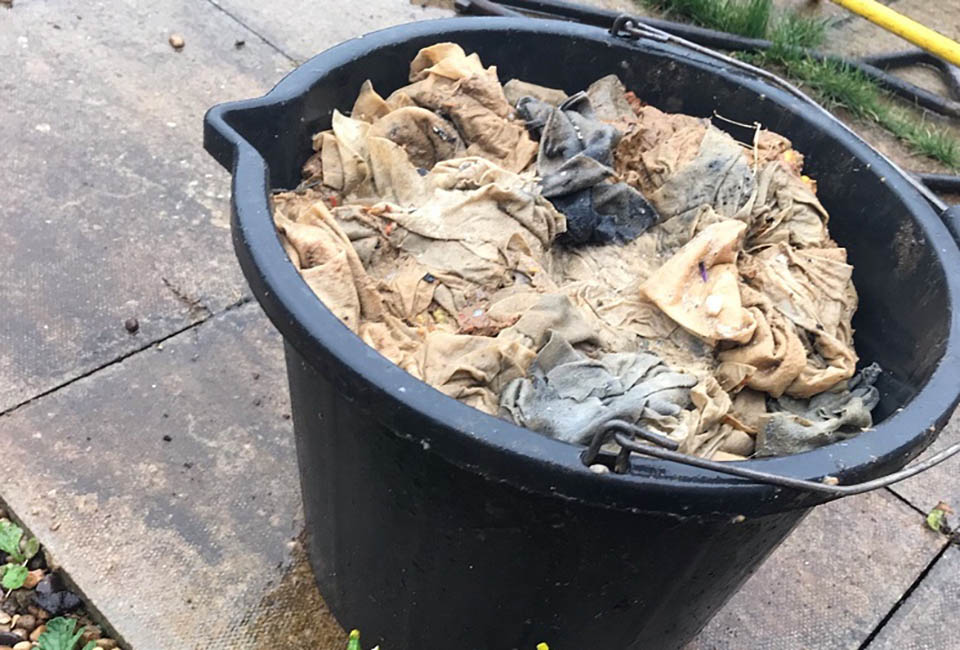
Ask any of Yorkshire Water’s CFS team and they will tell you that half of the 25,000 sewer blockages across the county per year, are caused by these supposedly ‘flushable’ wipes. Unblocktober heralds the seven-month countdown to the plastics ban.
Chloe Jones, head of customer field services, Yorkshire Water, said: “Wet wipes remain one of the biggest causes of sewer blockages, accounting for nearly half of all blockages across Yorkshire. Even products labelled as "flushable" can stay intact in sewer conditions, becoming tangled with other debris and create stubborn blockages.
“Many of these wipes also contain plastic fibres. As well as causing problems in sewers, they can break down into microplastics that find their way into rivers and the wider environment.”
Wet wipes are still the primary cause of blockages that can result in unpleasant flooding of Yorkshire Water customers’ homes and gardens and the utility, together with other UK water companies, welcomes the ban coming into play. As well as a distressing experience, and needing a clean-up operation, blockages are costly and damaging to the overall performance and effectiveness of the wastewater network.
Whilst wet wipes can certainly cause a problem, they’re not the only culprit that can cause blockages. Period products, cotton buds, disposable cleaning cloths, paper towels and food waste, can all play their part in causing blockages in sewers.
Only the three Ps – paper, pee and poo - should go down the loo, and Yorkshire Water’s education team do a great job, travelling across schools in the region, delivering workshop sessions to help young people learn good habits early on.
Yorkshire Water also spends hundreds of thousands of pounds every year removing blockages caused by fats, oils and grease, but it is entirely preventable by following simple steps and disposing of cooking fats carefully and avoiding any fatbergs ahead!
Michelle Phillips, network health manager, explains: “Fat, oils and grease, or FOG, poured down the sink, can also be an issue. Not just in the home, but also from food retail outlets, such as takeaways or pubs. We attend an average of 2,000 fat, oils and grease (FOG) blockages every year, these increase during the colder months and peak over the Christmas period.
“FOG from a tasty dinner is liquid whilst warm but cools and coagulates once it’s in the drain. This narrows the pipes, making them smaller and smaller until they stop flowing altogether and cause a blockage. This can sometimes lead to sewer flooding or a complete loss of service.”
The best way to safely dispose of cooking fats, oil and grease is to let them cool, dry wipe with a kitchen towel and then throw in the bin before washing up. This stops any FOG going down the sink, dishwasher or drain and blocking up a drain.
To encourage people not to flush the wrong things down the toilet, or pour fats down the sink, Yorkshire Water’s education team provides free educational sessions to thousands of young people across the region.
Anne Reed, social value & education manager, said: “Young people are incredible ambassadors about how to look after our water and protecting the wastewater network and we love to encourage good habits early on.
“They embrace the three Ps philosophy and share it with the rest of their family, and we are always happy to share our knowledge in lots of different ways. We have our education centres at clean and wastewater treatment plants at Ewden, and our treatment works at Headingley, Leeds, as well as Tophill Low nature reserve.
“We run sessions in schools for Key Stage 2 and upwards. Topics include the classroom favourite, ‘Can I flush it?’ where early learners understand the three Ps that only paper, pee and poo, are safe to flush down the loo.”
Yorkshire Water also joined forces with social enterprise organisation, Hey Girls in 2024, with the dual purpose of tackling period poverty in the region and finding alternatives to ‘flushable’ period products.
Since then, Yorkshire Water has allocated over 20,000 reusable period packs to selected secondary schools across Yorkshire, helping young people access sustainable period products while raising awareness of period health, wellbeing and responsible disposal habits.
The partnership is helping to improve period dignity, reduce the number of disposable products entering the sewer network and introduce young people to reusable alternatives that can be better for the environment and kinder to the pocket.
Thanks to Hey Girls' buy one, give one model, every pack purchased by Yorkshire Water, is matched, doubling the support available to young people across the region.
By combining education, sustainability and practical support, Yorkshire Water is helping to create lasting change for communities, the environment and our wastewater network.
As we approach the wet wipes ban, it's important to remember that the introduction of the plastic wipes ban does not mean other wipes are safe to flush.
Regardless of whether they contain plastic, wipes can still cause significant problems in the sewer system by creating blockages and contributing to costly disruptions. The advice remains unchanged: no wipes should be flushed down the toilet – and remember to ‘bin it, don’t block it!
Unblocktober is a national awareness month, created by Lanes Group in 2019, aimed at improving the health of our drains, sewers, watercourses and seas. Analysis carried out for Unblocktober shows that across England and Wales, water companies have to clean up nearly 280,000 sewer and drain blockages every year. This severely damages the drain infrastructure and results in annual repair costs of more than £100 million.
Many of these blockages are unavoidable and the Unblocktober website has lots of simple tips about what should and shouldn't go down the drain to help keep our network fit and healthy.