
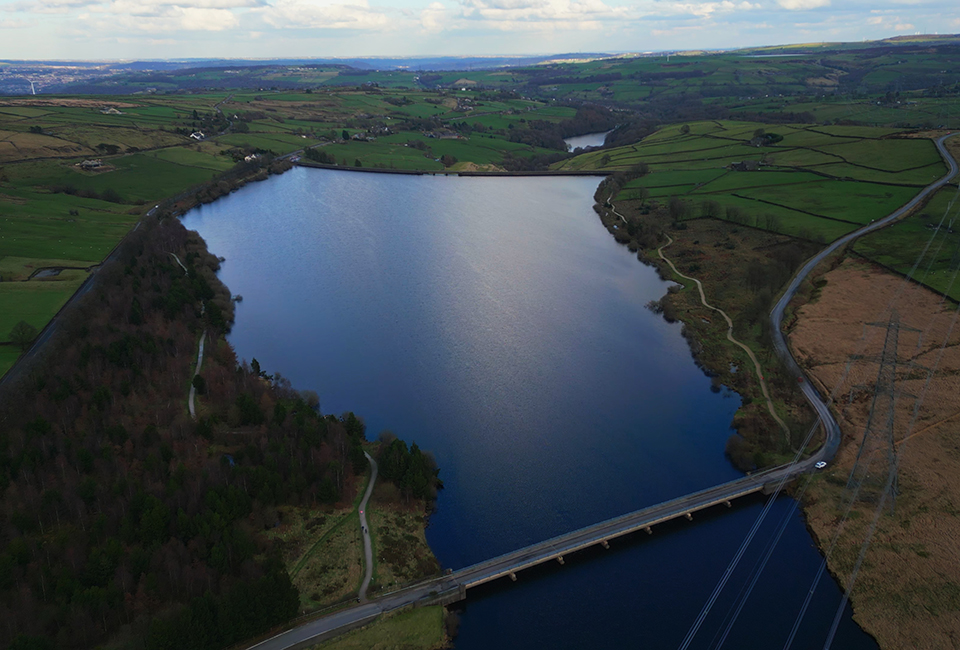
Over the next 5 years, we're investing £450 million in the facilities, equipment and water sources that help provide clean, reliable drinking water across Yorkshire.
This investment includes improvements to reservoirs, water treatment works, pumping stations and other essential facilities that help move water from source to tap. We'll also be investing £34 million in new water sources, helping to bring an additional 21 megalitres of water into supply every day.
These projects will help us meet growing demand, strengthen our network during dry weather, and continue providing high-quality drinking water to customers across the region.
Between 2025 and 2030, we'll be delivering a range of projects across Yorkshire. These include developing new boreholes to provide sustainable sources of water, upgrading treatment facilities, and building new storage reservoirs to improve resilience where demand is highest.
By investing today, we're helping make sure Yorkshire has a reliable supply of drinking water for generations to come.
How we're investing in Yorkshire's water supply
While many of our projects focus on the network of pipes that carries water around Yorkshire, we're also investing in the facilities and equipment that help collect, store, treat and move water before it reaches your tap.
These projects help us:
- provide safe, high-quality drinking water
- prepare for future droughts
- meet environmental and safety standards
- support growing communities across Yorkshire
- make our water supply more resilient.
You can read about some of the key projects we're investing in below.
We're investing in 4 key areas:
New water sources
Boreholes are an important source of water, particularly in East and North Yorkshire.
A borehole is a deep shaft drilled into underground water-bearing rock, known as an aquifer. These natural underground stores provide a reliable source of water that can be treated and supplied to customers.
We're investing more than £20 million in borehole projects between 2025 and 2030 to help strengthen Yorkshire's water supply and reduce the impact of future droughts.
Why are we investing in boreholes?
Underground water sources can provide a reliable supply during dry weather, helping us continue to meet customer demand when reservoir levels are lower.
New and improved boreholes will help make Yorkshire's water supply more resilient and secure for the future.
East Ness
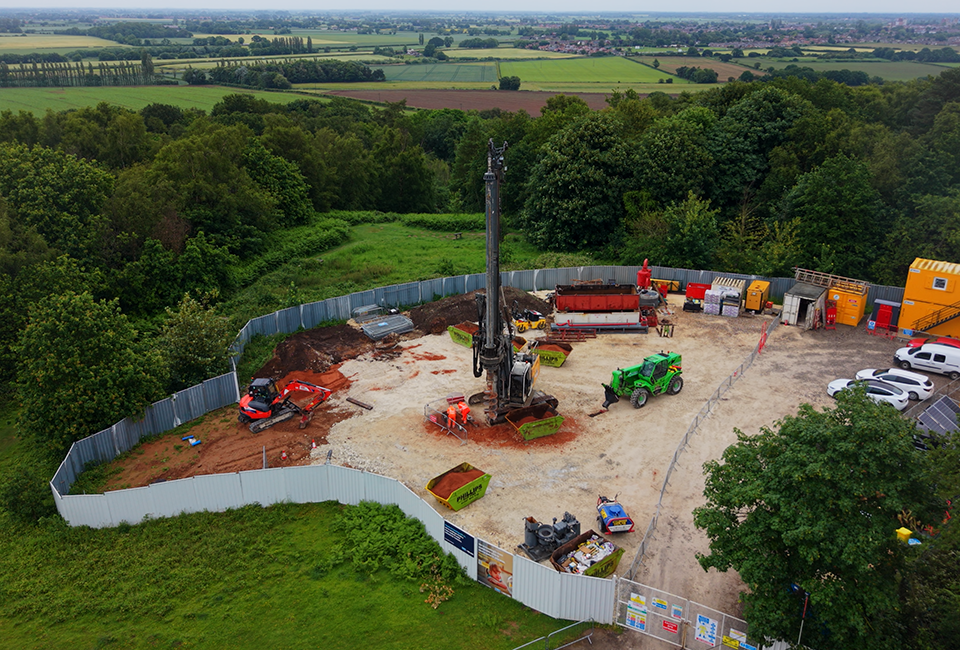
We're investing £14 million in East Ness to help secure future water supplies.
The project includes two new boreholes and a new treated water storage reservoir. The boreholes are expected to begin supplying water in 2028.
Malton Norton
This £9.5 million project includes a new borehole, pumping station and storage reservoir.
Together, these improvements will help support future demand and strengthen local water supplies.
Great Heck
Not all projects involve creating new water sources.
At Great Heck, we're refurbishing an existing borehole so it can continue supplying water to local communities for years to come.
Want to learn more?
Watch our video explaining how boreholes and groundwater help supply drinking water across Yorkshire.
Moving water around Yorkshire
Water doesn't always flow naturally to where it's needed.
Our pumping stations help move water throughout Yorkshire, including to higher ground and areas that are further away from reservoirs and treatment works.
Why are we investing in pumping stations?
Pumping stations are an essential part of keeping water flowing reliably to homes and businesses.
They're particularly important in a region like Yorkshire, where hills, valleys and long distances can make moving water more challenging.
Investment in pumping stations helps us maintain reliable supplies and prepare for future demand
Storing water for when it's needed
Reservoirs play an important role in Yorkshire's water supply.
Some store water collected from rivers and rainfall, while others store treated drinking water ready to be supplied to customers. We also manage reservoirs that help maintain water levels in local rivers and support the environment.
Why are we investing in reservoirs?
We look after more than 100 reservoir sources across Yorkshire.
Our investment programme helps us:
- keep reservoirs safe
- protect the environment
- maintain reliable water supplies
- meet legal requirements
- prepare for future growth and changing weather patterns
We're investing around £25 million in water storage reservoirs between 2025 and 2030. These projects will help us store more water and improve the resilience of our network.
Thank you for your patience
Many of our reservoirs are popular places to visit and enjoy the outdoors.
Sometimes our work may temporarily affect access while we carry out essential improvements. We appreciate your patience while these projects are completed and thank you for your understanding.
Looking for somewhere to explore?
Making water safe to drink
Before water reaches your tap, it must be carefully treated to make sure it's safe and meets strict quality standards.
Our water treatment works take water from reservoirs, rivers and underground sources and put it through a range of treatment processes.
These processes can include filtering out particles, removing impurities and disinfecting water to remove harmful microorganisms.
Why are we investing in water treatment works?
Water treatment works help ensure every glass of water supplied to customers is clean, safe and high quality.
By investing in our treatment facilities, we can continue meeting strict drinking water standards while maintaining reliable supplies for customers across Yorkshire.
FAQs
Why aren't you building more reservoirs?
We're already investing in new water sources and storage facilities to strengthen Yorkshire's water supply in the short term.
At the same time, we're reviewing our long-term plans to make sure we're prepared for future challenges such as climate change, population growth and increasing demand for water.
New reservoirs may form part of future solutions, and we'll continue to assess all available options.
Why are some reservoirs so low?
Not all reservoirs are used to supply drinking water directly.
Some are used to release water into rivers, helping protect wildlife and maintain healthy river flows. These reservoirs can sometimes appear lower than others.
In some cases, reservoir levels may also be reduced temporarily while we carry out important maintenance or safety work.
Once the work is complete, they will gradually refill naturally.
What happens if Yorkshire experiences a drought?
We have detailed plans in place to help maintain water supplies during dry weather.
These plans help us monitor water resources, move water around our network, bring additional sources into supply and encourage customers to use water wisely when needed.
We regularly update these plans to make sure Yorkshire remains prepared for future challenges, including climate change.
Can you swim in a reservoir?
No. Swimming is not permitted in our reservoirs.
Reservoirs can contain hidden hazards beneath the surface, including deep water, strong currents, underwater structures and very cold temperatures.
Even experienced swimmers can quickly get into difficulty.
Why is reservoir swimming dangerous?
Reservoirs may look calm, but conditions can change quickly.
Water temperatures are often extremely cold and there may be strong currents, underwater machinery, steep sides and hidden obstacles beneath the surface.
Some reservoirs can also contain blue-green algae, which can be harmful to people and animals.
For your safety, please stay out of the water.
Can dogs swim in reservoirs?
No.
Reservoirs can present the same risks to dogs as they do to people, including strong currents, cold water and hidden hazards.
Dogs should also avoid drinking reservoir water, particularly during periods when blue-green algae may be present.
Why does my water sometimes taste or smell different?
Changes in taste or smell are often caused by harmless naturally occurring substances in water sources or by conditions within household plumbing systems.
In some cases, naturally occurring algae in reservoirs can affect the taste or smell of water, even though it remains safe to drink.
We carry out regular monitoring and testing to make sure the water we supply continues to meet strict quality standards.
If you're concerned about the taste or smell of your water, visit our dedicated water quality advice page.