Storm overflow project begins in Crambe to improve the River Derwent
9/9/2026
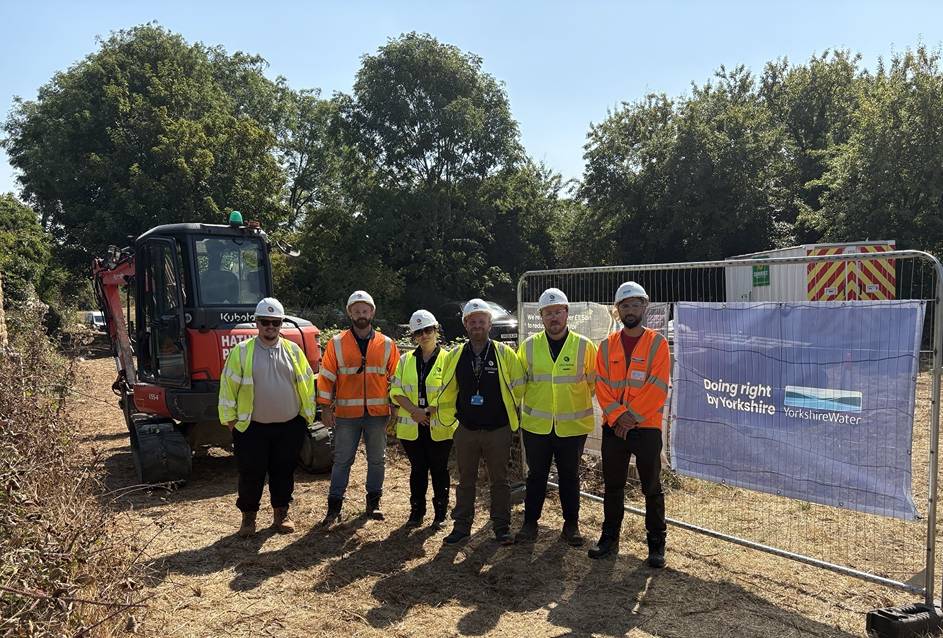
Yorkshire Water is underway with a project to reduce the frequency and volume of discharges from a combined storm overflow (CSO) in Crambe into a tributary of the river Derwent.
The work forms part of the utility's £1.5bn drive to bring down the number of discharges across the county.
Contract partners at OCU will separate surface water from the existing combined sewer network, which carries both rain and wastewater, in order to reduce overall flow in the system. This means that Crambe CSO, which operates as a relief valve for the combined system when it is over capacity due to heavy rainfall, will be much less likely to operate.
A new surface water sewer will be installed in parallel to the combined network, alongside four gullies to improve drainage into it. Three further gullies, which currently drain surface water into the combined system, will also be diverted into the new sewer.
The work is expected to complete in October.
Qasim Elahi, project manager at Yorkshire Water, said: "We're making good progress with the Crambe project, which, when complete, will reduce the number of discharges into the receiving watercourse – a tributary of the River Derwent. Our storm overflows are operating more than we, and our customers would like, so we're making improvements across 450 overflows by 2030."
The work at Crambe CSO marks eight storm overflow projects currently underway across North Yorkshire, with others taking place in Malham, Hebden, Wass, Snape, Myton-on-Swale, Great Barugh, and Weeton.
The wider programme follows a £180m investment over the previous two years, which saw more than 100 storm overflows upgraded throughout the region. Discharges from storm overflows in Yorkshire decreased by 24.5% in 2025, when compared with the previous 12 months.
Storm overflows are designed to act as a relief valve for the combined sewer network, which carries both wastewater and surface water, during periods of heavy or prolonged rainfall. They discharge when the system is at capacity to prevent flows backing up and flooding homes and gardens.
Across Yorkshire, the need for storm overflows to operate will be reduced by:
- Building new surface water sewers, to separate surface water and wastewater so that wastewater networks aren’t impacted by bad weather
- Installing underground storage tanks, to build additional capacity into the network
- Implementing nature-based solutions, to build additional capacity into the network
- Implementing sustainable drainage systems, to slow the flow of surface water into the combined network
- Lining combined sewer networks, to reduce rainwater and groundwater infiltration