Dick Lane
Wwe’ve been installing a new storm water storage tank which can hold up to 3,000 cubic metres of water.
The new tank will provide extra storage during periods of heavy rainfall, helping to reduce storm overflow discharges into Pudsey Beck by around 65%.
The work has been carried out by our contractor, Peter Duffy Limited. We’d like to say a big thank you to everyone in the local community for their patience and understanding while we’ve been carrying out these improvements.
Pudsey Smalewell
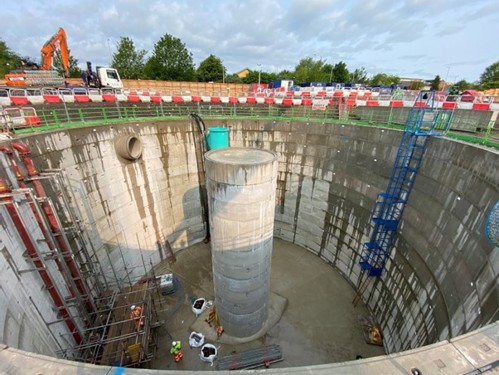
We’re building a new storm water storage facility which will be able to hold 3,500 cubic metres of water. This extra storage will help to reduce storm overflow discharges by around 77%.
We now need to add additional storage to this site, after the regulator has asked us to. We’re investing a further £10m on the extra storage, which will add further resilience to our wastewater network and contribute to higher water quality in Pudsey Beck.
Our contractor, Tilbury Douglas, is carrying out the work, which is expected to take around 24 months. The public right of way on Tyersal Lane will remain open while the work takes place.
Farnley Ring Road
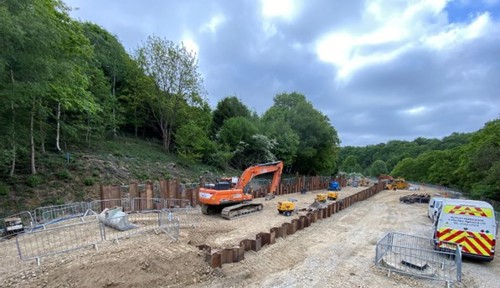
We’ve submitted a planning application to Leeds City Council for 5,000 cubic metres of additional storage. This will give the local sewer network more capacity during wet weather and help improve the performance of local storm overflows.
We know work like this can sometimes affect local journeys and vehicle access, so we’re speaking directly with residents who may be affected. Access to the Spring Valley Estate will remain available while the improvements are being carried out.
We’re planning to start this work in summer 2027, but we’ll continue to keep the community updated on progress.
Kent Road
We’re creating 2,500 cubic metres of new wastewater storage as part of our wider work to improve water quality in Pudsey Beck.
That’s enough to hold around 16,700 bathtubs of water. During heavy rainfall, the additional storage will help take pressure off the sewer network and reduce storm overflow discharges.
We’ll also be building a new weir chamber, manholes and other supporting infrastructure to help us manage wastewater flows more effectively.
Work began in June 2026 and is expected to continue until April 2028, with our contractor Kier Group delivering the project.
Dale Farm
We’re creating 250 cubic metres of underground wastewater storage to give the sewer network some extra capacity during heavy rainfall.
The work includes new underground storage culverts, pipes and manholes. These will allow excess wastewater to be stored temporarily before being treated when there’s more capacity available in the network, helping to reduce storm overflow discharges into Pudsey Beck.
Work began in summer 2026 and is expected to take around a year to complete. We’ll also relocate the existing combined sewer overflow outfall and make wider improvements to the local sewer network.
Pudsey Hough Side Wetland
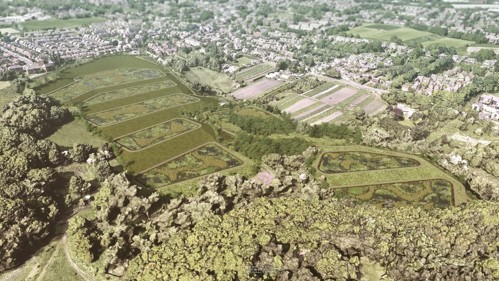
The Pudsey Hough Side Wetland will be a 4.2-hectare nature-based solution designed to treat stormwater and improve the quality of water in Pudsey Beck. We’re working with our project delivery partner Kier Group to carry out the work.
It’ll be made up of interconnected lagoons planted with native plants that naturally filter water and support biodiversity. One of the wetland cells will be open to the public, allowing residents to observe its environmental benefits.
A public right of way (footpath) currently runs through the site and will be diverted during construction. Once the wetland is complete, the path will be along the side of the wetland to maintain access.
We’re working closely with our contract partners and local people while we build this new site.
Pudsey Hough Side FAQs
What is the Pudsey Hough Side Wetland project?
The Pudsey Hough Side Wetland is a proposed 4.2-hectare nature-based solution designed to treat storm water and improve the quality of water in Pudsey Beck. It will consist of interconnected wetland cells (ponds) planted with native vegetation to naturally filter water and support biodiversity.
Why is this project being developed?
This wetland is part of Yorkshire Water’s £8.3 billion environmental investment programme over the next five years. At least £83 million of this is dedicated to nature-based solutions like wetlands, which help protect watercourses and enhance local green spaces.
For this particular project, we are using the wetland to treat stormwater, which is a mix of excess surface water and some diluted and untreated domestic wastewater.
What are the environmental benefits?
- Improved water quality in Pudsey Beck
- Natural storm water treatment
- Enhanced biodiversity and wildlife habitat
- Creation of a public green space for community enjoyment
Will the public have access to the wetland?
Yes. One of the wetland cells (ponds) is planned to be open to the public. A public right of way currently runs through the site and will be temporarily diverted during construction. Once complete, the path will be rerouted along the side of the wetland to maintain access.
What is the current status of the project?
Planning permission is still in progress. Updates will be shared with the community as the project moves forward.
Do people support the construction of the Pudsey Hough Side Wetland?
We held two drop-in events on 26 September and 10 October 2025.
The local community were largely supportive, and we’ve displayed our written feedback received below:
| Sentiment | Feedback count | Feedback % |
|---|---|---|
| Very positive | 12 | 48% |
| Positive | 8 | 32% |
| Neutral | 4 | 16% |
| Negative | 1 | 4% |
| Very negative | 0 | 0% |
What are the construction hours and how will disruption be managed?
Normal working hours: Weekdays, 07:30 to 17:30
Occasional extended hours may occur, with advance notice
Yorkshire Water is working with partners and stakeholders to minimise disruption
Who can I contact for more information?
Please contact the Customer Experience team at 0344 848 1099, quoting the reference number at the top of your letter.
Does the wetland have local political support?
Yes, we know local councillors support the scheme in principle. We have provided robust reassurances that there will not be any odour issues for local people.
What types of plants will be used in the wetland?
The wetland will be planted with a variety of native wetland species that are well-suited to filtering water and supporting local biodiversity. These may include reeds, rushes, sedges, and flowering aquatic plants. A full planting list will be available at the drop-in events.
Will there be mosquitoes or other pests?
Healthy wetlands support a balanced ecosystem, including natural predators like dragonflies and birds that help control mosquito populations. There will be a flow of water, which will minimise stagnant water, preventing mosquitoes from laying their eggs and breeding.
How long will construction take?
The exact timeline will depend on planning approval and weather conditions, but updates will be provided regularly. Construction will follow standard weekday hours (07:30–17:30), with occasional extended hours if needed.
Will the wetland be safe for children and pets?
Yes, safety is a priority. The public-access areas will be designed with safe pathways and signage, and the wetland cells (ponds) will be separated from walkways. However, supervision is always recommended near water.
How will the wetland be maintained?
Yorkshire Water and its partners will be responsible for ongoing maintenance, including vegetation management, litter removal, and monitoring water quality to ensure the wetland continues to function effectively.
Our wetlands are designed to not need full replanting for up to 20 years.
Can schools or community groups get involved?
Absolutely! The project team welcomes community engagement and will explore opportunities for local schools and groups to participate in educational visits, planting days, or citizen science activities.
More from us
Storm overflows
Find out what stormover flows are, why we have them and how they work.


Storm overflow investment
To help us drive improvements in our storm overflows quicker, we’re investing in some of our most active storm overflows to reduce the number of times they operate.
Investing in Yorkshire
From fixing leaks to making new wetlands. From helping customers struggling with bills, to giving back by helping communities thrive.