
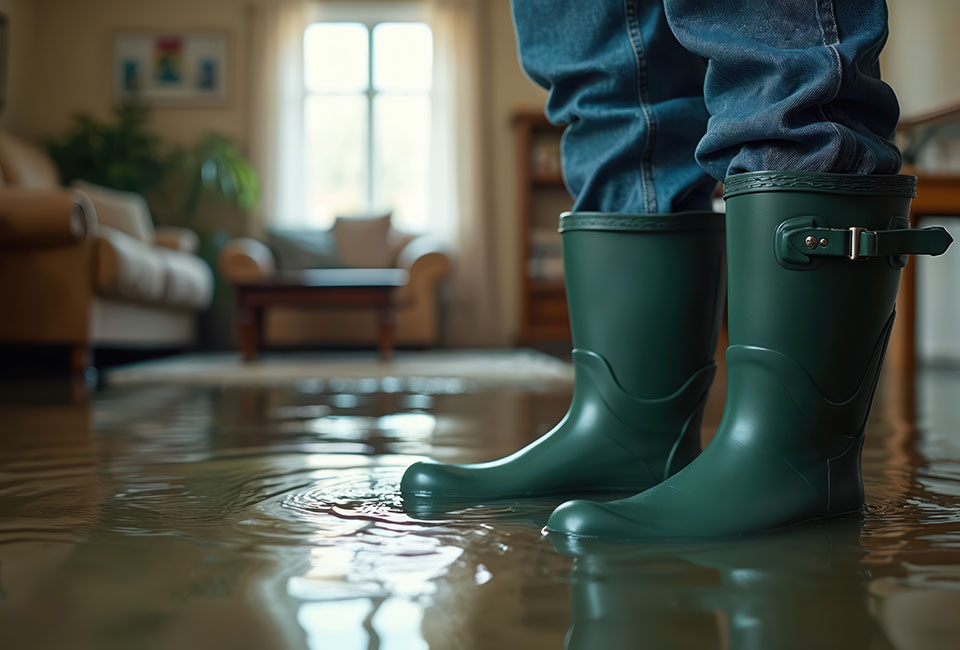
I've found a sewage leak - what do I do?
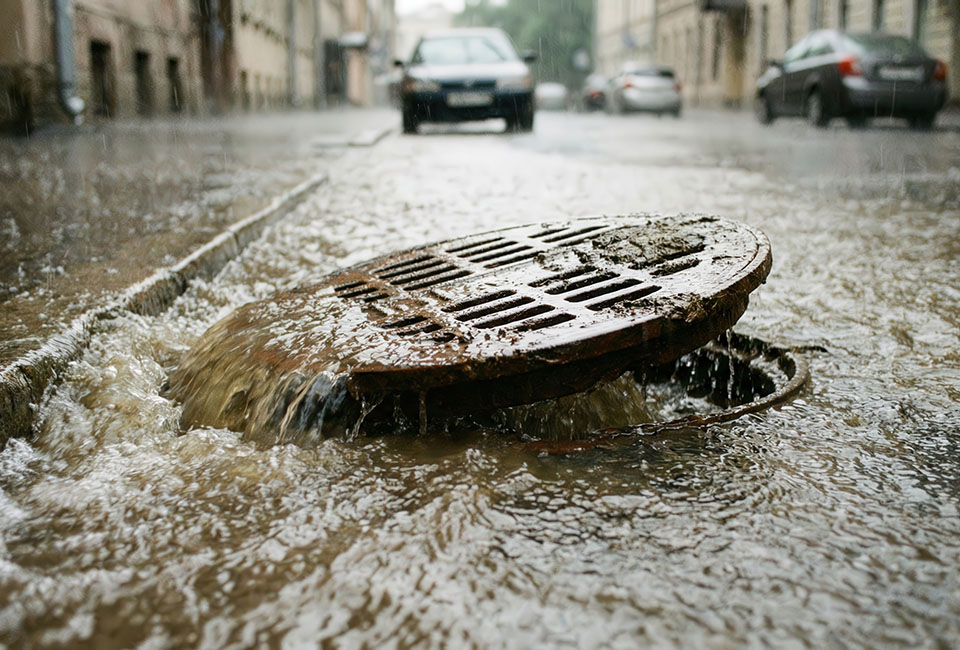
Don't walk through it
You should also keep children and pets away from the affected area.
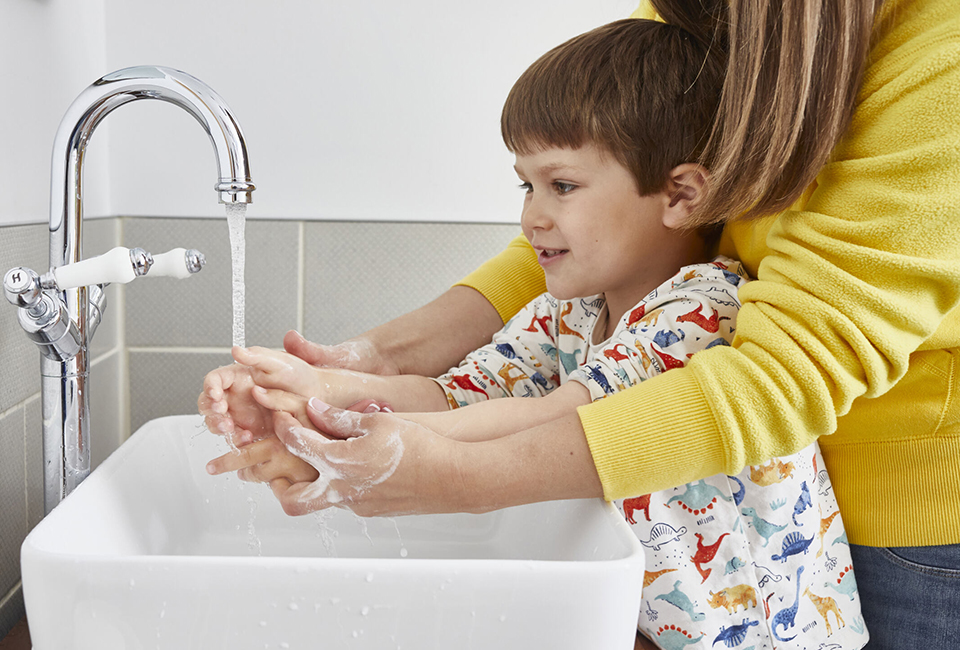
Wash your hands
And disinfect your footwear after any contact with the sewage.
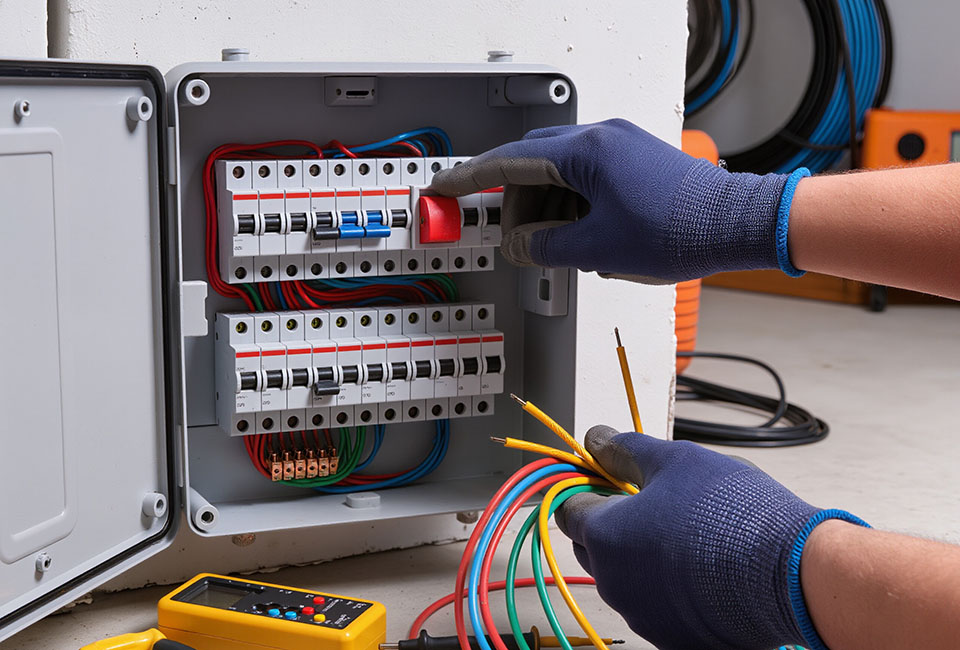
Turn off gas and electric
If there's any chance of the sewage reaching your gas or electric points, switch them off if safe to do so.

No fruit and veg
Don’t eat any fruit or vegetables grown in the garden if there has been a sewage leak, and don’t plant anything new for at least six months.
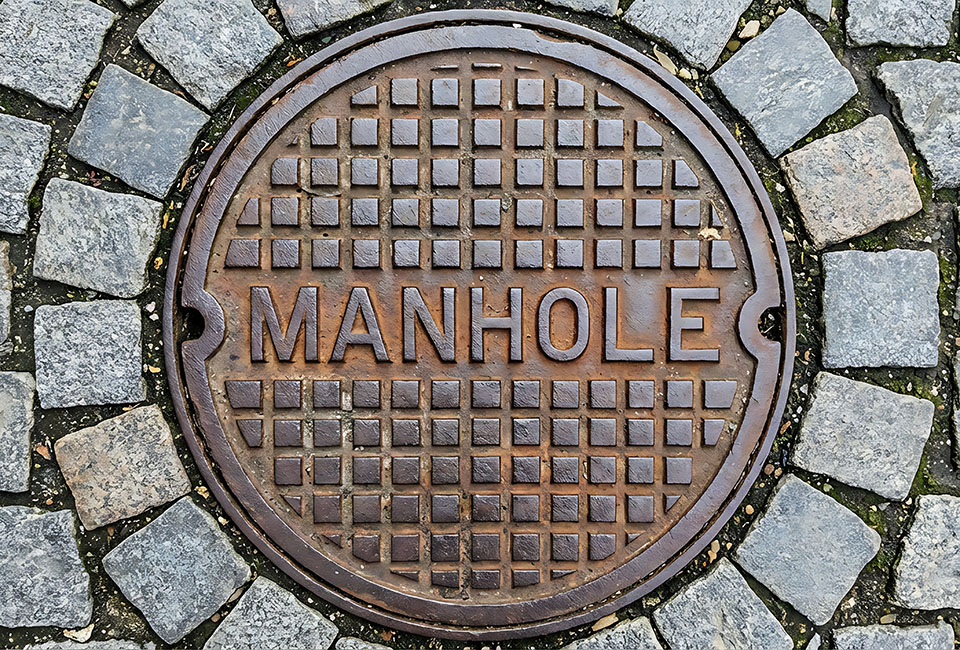
Be careful
Manhole covers may have been moved by the water. You might not be able to see this, and you could fall and injure yourself.
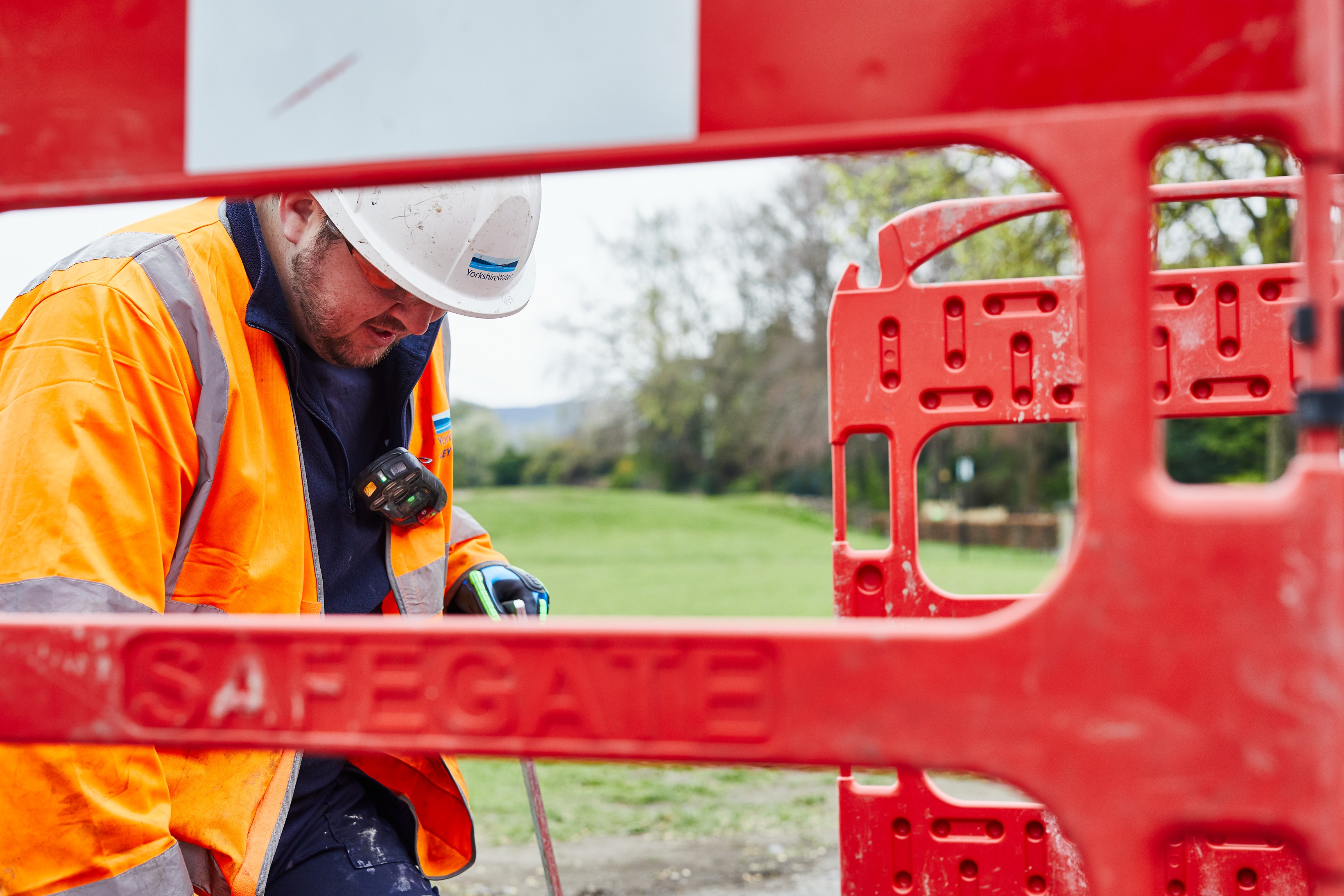
Don't fix it
Never attempt to unblock a sewer yourself – this would put you at risk and could make the situation worse. You should wait for a professional to come and deal with the problem.
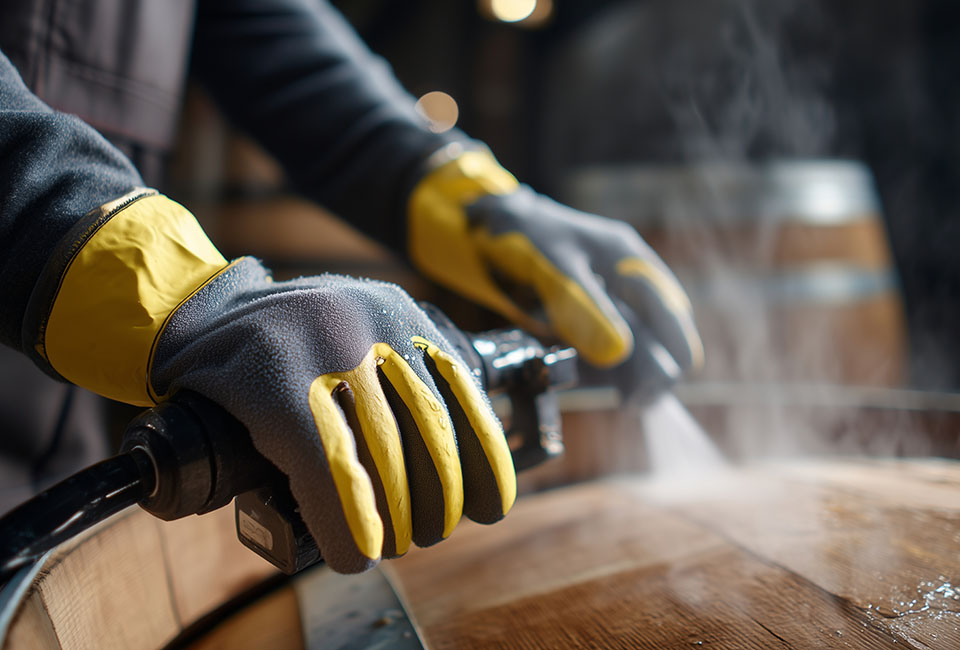
Cover up
Protect cuts and grazes with waterproof dressings and wear rubber gloves to protect yourself while cleaning up
How to get it fixed
Sewage leaks are almost always caused by blockages. What happens next depends on where the blockage is.
Check your neighbours
If your neighbours are having similar problems, the blockage is probably in our sewers or pipes and it's our responsibility to fix it.
If the blockage is outside your property, you can check to see if someone has already reported it to us, on our incidents page.
If we don’t already know about it, please contact us. If you report using Whatsapp you can send us photos and videos, which helps us determine next steps quickly
Contact options include:
Usually takes 4 minutes
Viewing on a mobile? Send us a message
Viewing on a computer? Scan the QR code

Available Monday to Friday 9am to 5pm
Slots are available 10am-6pm Monday to Sunday
24 hours a day, Monday to Sunday
Check other rooms
If the problem only affects one room (i.e. your kitchen sink is fine but your bathroom sink is blocked or vice versa), then the blockage is almost certainly in the pipes on your property and it's your responsibility to fix it.
If you live in a rented property, you should contact your landlord.
If you own the property, you should check if your drainage is covered by home insurance or a separate policy. Your insurer will be able to give you advice about making a claim.
If your home is under 10 years old, you should contact your property developer as your drainage may be under warranty.
If you’re not covered, you’ll need to find a drainage contractor.
Any questions?
What causes a sewer to leak or flood?
There are many things that could cause a sewer to leak or flood, here are some examples:
- Blockages can be caused by flushing wipes down the toilet. Only the three Ps, pee, poo and (toilet) paper, should go down the loo.
- The sewer could become too full because of heavy rainfall.
- Heavy rainfall can cause river levels to rise, forcing river water to back up into our sewer network.
- Sewers can become blocked by flushing the wrong things or pouring fat and oil down the kitchen sink.
- Tree roots can damage sewers as they grow.
- The sewer may have collapsed.
- There might be a problem with a nearby pumping station.
What are Yorkshire Water doing to prevent sewer flooding?
A small number of properties are at risk because of overloaded sewers and we are putting money into a programme to lower this. We'll let you know if yours is at risk and keep you up to date with how we’re getting on.
If weather conditions are extreme, like a major storm, we can’t guarantee a sewer won’t flood or leak – even if we respond quickly. If this happens and your property is at risk, we’ll send someone to look at the problem as quickly as possible. If sewage has already entered your property, you will be a priority.
How do I clean my property after a sewage leak?
- Wash all hard surfaces with a mild detergent or disinfectant. If you are using disinfectant, don’t wipe it off immediately or it won’t work as well.
- Put any soft furnishings that are heavily damaged and can’t be repaired outside – this will help stop bacteria spreading.
- Wash all clothing, bedding and other soft items at 60°c or above. Items that aren’t machine washable should be professionally cleaned or disposed of.
- Let everything dry completely – this will help kill germs. Gentle heating with ventilation will help things dry.
How do I clean my garden after a sewage leak?
- Wash and disinfect hard surfaces like paths and drives – keep off them for 3 hours to let the disinfectant work.
- Don’t apply disinfectant to lawns and borders because it can kill plants. The best thing to do is leave them and let nature take its course.
- Don’t dig or rake any affected ground, this will spread the bacteria deeper into the soil.
- The sun’s UV rays are great at killing bacteria. This can happen in just 9 days when the weather is warm and dry. If the weather is cold and wet, it could take around 25 days for bacteria levels to return to normal.