New wastewater systems funded by our WNI Programme
We're partway through a £560m investment to help improve the quality of Yorkshire's rivers. As part of our Waste Non-infrastructure (WNI) programme, many of our aboveground wastewater systems will be refurbished and new equipment installed where required, as we seek to increase the capability of our wastewater treatment.

Less phosphorous
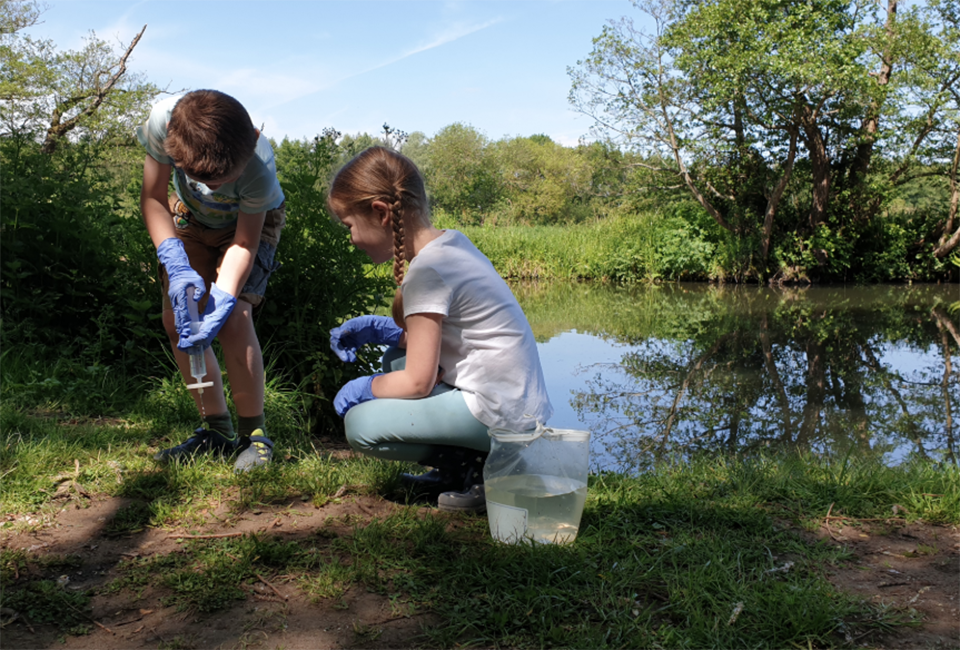
We're investing £350 million between now and 2030 in phosphorus removal systems.
This will help us decrease the amount of phosphorous, which can be harmful to wildlife, in our treatment works by 75% (compared to 2020) before it is released back to the rivers.
Upgrading equipment
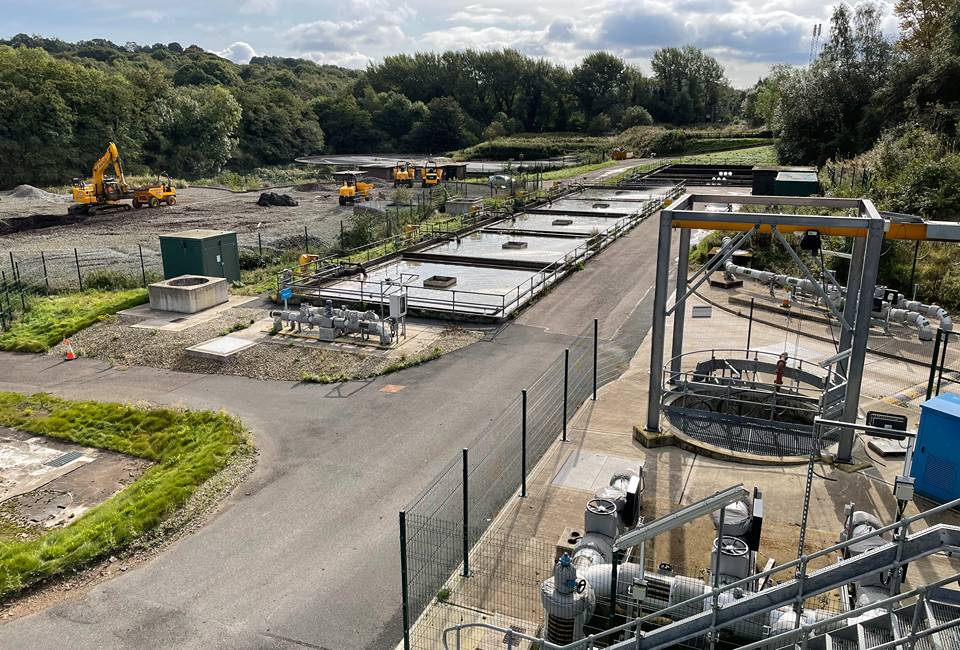
More than £200m is being invested in wastewater treatment works and pumping stations to increase capacity and improve efficiency.
This is just a small fraction of our total £8.3bn investment to improve the quality of our services and do right by the environment.
The treatment
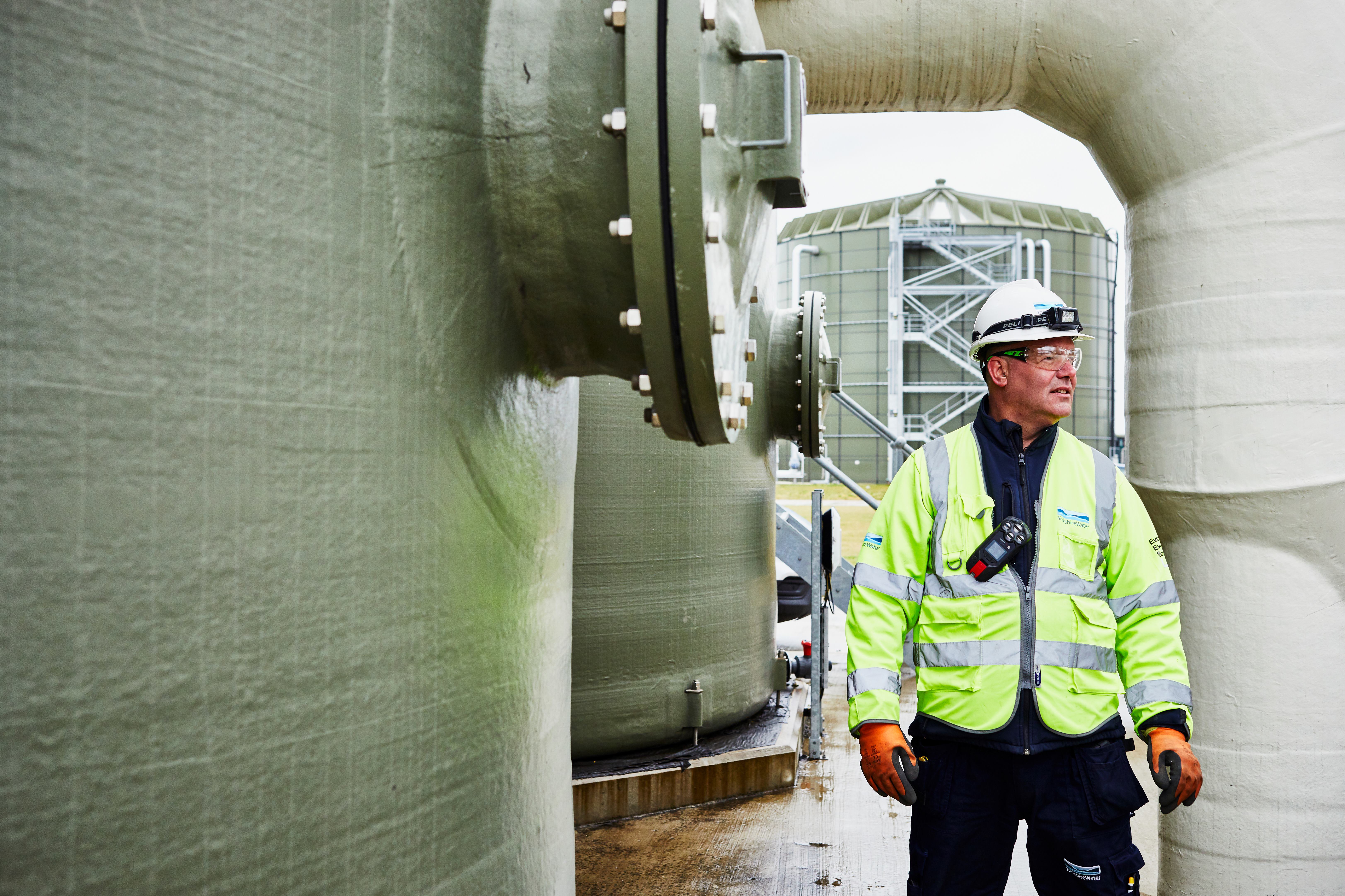
Wastewater treatment is vital to river health. Here, you can get a behind-the-scenes look at our treatment process, where you will see:
- how we process 2,700 litres per second
- the weirdest things we've found in the sewers
- how a "giant jacuzzi" is part of the process
Any questions?
Seeing or smelling sewage works - is that normal?
Yes, it’s very normal. Wastewater treatment sites are located close to the communities they serve and near the rivers they treat. This makes sure wastewater is managed efficiently and safely.
Modern treatment processes stop bad smells as much as they can. But weather conditions like wind direction, and other factors can sometimes cause smells to be noticeable in nearby areas.
We understand this can be unpleasant, and and we’re working hard to reduce and manage odours where we can.
What are we doing to reduce environmental problems?
We’re reducing any impact our sites might have on the environment. Modern treatment processes are made to reduce bad smells and keep noise to a minimum, and we’re continuing to invest in improvements long term.
We use equipment called odour control units. These units are fitted to tanks used in the treatment process and work by capturing and stopping smells before they can escape.
Our operations and maintenance colleagues follow plans to keep treatment processes running as they should. This helps stop backups in the system, that can cause odours, and keep sites running smoothly.
How do sewage pumping stations work and what do they do?
Sewage pumping stations are used in areas where wastewater can’t flow naturally using gravity. They pump sewage through the network to make sure it finds its way to treatment sites.
These stations are a big part of keeping the system moving, reducing and stopping blockages, helping us treat wastewater and protect Yorkshire’s environment. So everyone can enjoy cleaner, healthier waterways.
What is our plan to stop overflows at pumping stations?
Sometimes, pumping stations can overflow when there is too much water for them to handle. This happens when there is heavy rain fall for a long time. To tackle this, we’ve invested over £180 million and are continuing to make improvements.
We’ve set up the Storm Overflow Alliance, that will invest more than £1 billion over the next five years to lower spills from the combined sewer system to improve Yorkshire’s river and coastal water.
How do we make sure we're meeting environmental standards at sewage treatment sites?
Protecting the environment is at the heart of everything we do. Our sampling and compliance colleagues are working hard to make sure we’ve got the right data to modify the treatment process. And our operation colleagues make sure our sites are at a high standard so we’re meeting the right environmental standards.
How are we planning to upgrade and invest in sewage treatment and pumping infrastructure in the region?
As part of our largest programme to date, we’ll be investing £8.3 billion to improve services and infrastructure across the region into 2030. In wastewater non-infrastructure alone, we’re planning to spend £560 million on environmental improvements, ensuring a thriving Yorkshire for future generations.
Do you have targets for phosphorous reduction?
Water Industry National Environment Programme (WINEP) is a plan created by water companies and the Environment Agency to protect and improve the environment. Revisited every five years, every water company has its own WINEP with actions and timescales that must be followed.
A big part of WINEP is to lower phosphorus in our rivers. WINEP also includes catchment management projects, that help tackle phosphorus pollution before it reaches treatment works. By working with landowners and communities, these projects aim to do all they can to keep our rivers cleaner and healthier.