DIG project offers free water butts as part of nature-based flood resilience plan
02/02/2026
St Leger tenants at Clay Lane are having over fifty water butts installed over the next few weeks as part of the DIG flood alleviation scheme partnered by City of Doncaster Council and Yorkshire Water.
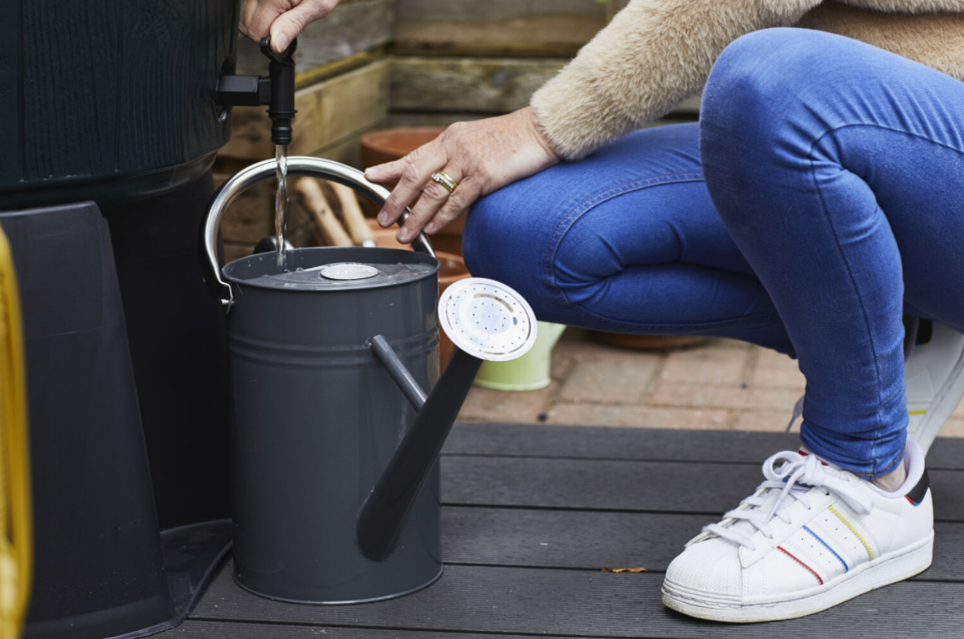
The water butts, provided by Yorkshire Water, connect to external drainpipes and capture rainwater falling from roofs. This prevents excess litres of water from entering the drains and sewers, helping to reduce the risk of surface water flooding.
The stored water is perfect to water gardens or wash cars and will slowly drain away once the levels in the sewer have gone down, leaving space to catch water the next time it rains.
St Leder Home tenants in Clay Lane should see City of Doncaster Council’s internal public buildings team out and about over the next couple of weeks installing water butts, to the external downpipe and base without any need to access residents’ homes.
Daniel House, drainage and flood risk engineer, City of Doncaster Council, said: “The leaky water butts are part of a wider scheme to retro-fit sustainable drainage (SuDS) features to improve flood resilience, in areas of the city where there is little scope for larger flood alleviation works.
SuDS are a clever, more natural alternative to rainwater flowing directly into the sewers, which are sometimes unable to cope with extremely heavy rainfall. Instead, rainwater is transported into green areas to be soaked up by plants and trees or stored in ponds and drained away more slowly to a watercourse or the sewer.
“We contacted St Leger tenants at Clay Lane let them know that they would be getting a water butt and to explain the benefits of slowing the flow of surface water after spells of heavy rain.”
City of Doncaster Council and Yorkshire Water have received £3m funding for flood alleviation projects in Doncaster including Clay Lane (£1m) and Scawthorpe (£1m) as well as £1m for the University of Hull for research and monitoring into flood alleviation impact.
A number of nature-based SuDS are already in place following public consultation with residents in the area. Rain gardens, and permeable paving have already been installed to slow water run-off and improve flood resilience in areas prone to surface water flooding.
Daniel continues: “Nature-based SuDS provide an effective, greener solution to reducing the impact of surface water flooding caused by heavy rainfall by adding attractive community eco-spaces as well as help to manage flood risk.”
The Doncaster Immingham and Grimsby (DIG) project is a partnership between Northeast Lincolnshire Council, City of Doncaster Council, Anglian Water and Yorkshire Water. Together the partners aim to use innovative sustainable drainage (SuDS) techniques to improve flood resilience and bring communities closer to nature.
This project is funded by Defra as part of the £200 million Flood and Coastal Innovation Programmes which is managed by the Environment Agency. The programmes will drive innovation in flood and coastal resilience and adaptation to a changing climate.