Cleaning water the natural way
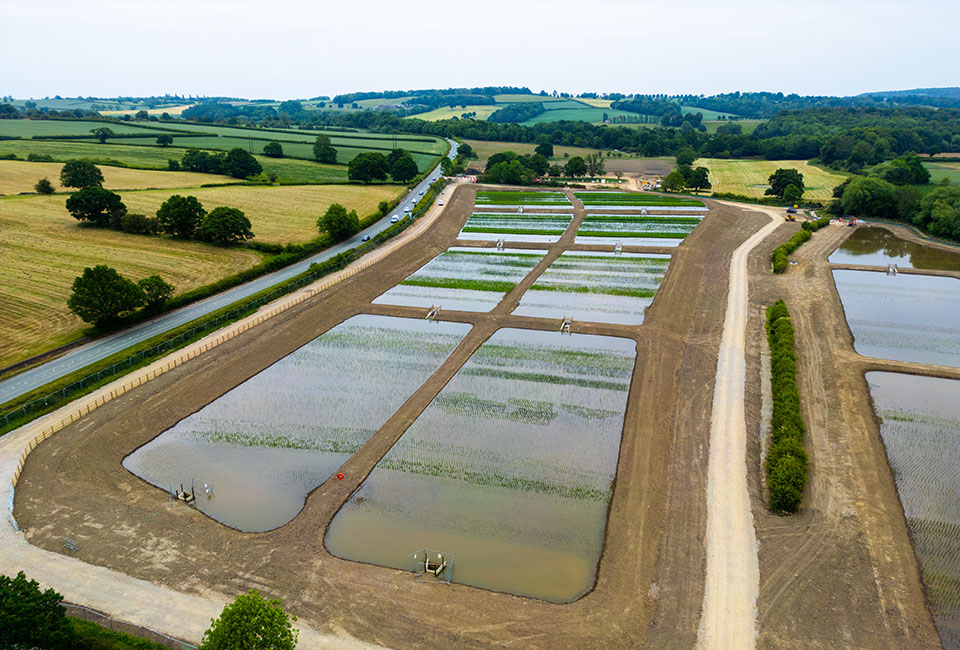
Integrated Constructed Wetlands or ‘IWCs’ can clean wastewater from our homes. These wetlands use plants, soil and microbes to clean water sustainably.
They clean water with less concrete and machinery, helping wildlife thrive by keeping water quality at its best and blending into the local landscape.
Some IWCs are lined to hold water but others with natural clay soil don’t need our help as much.
Did you know that over the past 500 years, England has lost approximately 90% of its wetlands?
Source: Natural England
How do wetlands do the hard work?
It’s all about letting nature do what it does best:
- Plants like reeds and sedges soak up nutrients
- Tiny microbes break down pollutants
- Soil and roots filter and hold the water
These natural areas remove things like phosphorus – which helps stop algal blooms and keeps our rivers healthy. This creates cleaner water for wildlife and for all of us who enjoy Yorkshire’s rivers and streams.
Why wetlands?
- They save money and energy - ICWs cost less to run and use less energy than the usual treatment works
- They last for years - After planting, many ICWs won’t need replanting once they’ve taken root. But don’t worry, we’ll still maintain them, by removing dead plants
- They don’t smell - ICWs only take on very diluted stormwater or treated water
- They give something back, creating peaceful green spaces and great spots for learning about nature
Where have wetlands worked before?
We’ve created amazing new homes for nature across Yorkshire, including in:
- Clifton
- Clayton West
- South Elmsall
- Ilkley
No wetlands are the same, so we create each wetland to your area’s needs and make sure we’re looking after the local wildlife and treat water in the right way.
How can you get involved?
Follow us on social media for updates, explainer videos, and volunteering opportunities.
Tag your photos near our wetlands with #YorkshireWetland.
Remember, we can only include wetland viewing areas at all our sites.
Your Questions, Answered.
Do wetlands smell?
ICWs only take on very diluted stormwater or treated water, so there’s no bad smells.
Are our wetlands safe?
ICWs are shallow, gently sloped, and fenced off. We’ll put signs to stop people going in and keep the paths to safe areas.
Can schools use treatment wetlands for learning?
Absolutely! We offer lesson plans, school visits, and citizen science opportunities.
Do our wetlands help improve watercourse quality?
Yes. They keep nutrient levels down, improving river health. But water quality isn’t just in our hands- wildlife, farming and runoff can pollute our rivers too. That’s why our teams continue to work in partnership with other groups.